
16 Sep 2026
Running a bike tour business means dealing with a certain amount of uncertainty.
Some days are quiet. Others fill up quickly. And when demand suddenly peaks, you need enough guides available to deliver the experience you promised.
For Antwerp by Bike, one of the lessons that has made a real difference is quite simple: plan for demand before it arrives.
That sounds obvious. In practice, it's not always easy.
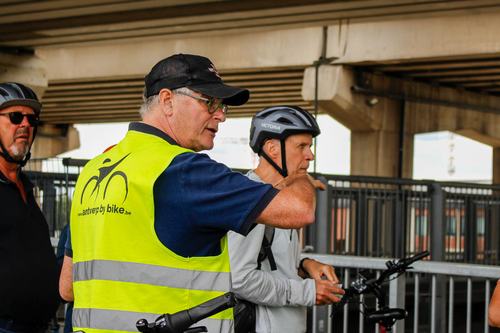
Antwerp by Bike recently made a significant change to its booking capacity.
Instead of keeping availability relatively limited and adding capacity as bookings came in, the company opened up its capacity much more.
But that only works if the operational side can keep up.
So they also introduced a more proactive approach to guide scheduling.
Guides are asked to block certain time slots in their calendars well in advance. This gives the team a much clearer picture of how much capacity they will have available when demand starts to build.
It also means they aren't constantly trying to find guides at the last minute when a busy day arrives.
The result is a more prepared operation.
And, perhaps just as importantly, more confidence to make additional tour slots available for customers.
For a bike tour operator, having an empty slot in the booking system doesn't automatically mean you have capacity.
You need a guide.
You need bikes.
You need the right logistics.
And you need to be confident that the experience can be delivered properly.
That's why opening up booking capacity and planning guide availability need to happen together.
Antwerp by Bike's approach is a good example of how the two sides of the business are connected.
More availability for customers requires more visibility on the operational side.
Planning guide schedules further ahead gives the business that visibility.
It also creates room to handle those busy periods without everything becoming a last-minute scramble.
Antwerp by Bike also has a simple message for customers who book directly through its website.
Plans change.
And when they do, a direct booking makes it easier to modify, upgrade or cancel a reservation.
That's useful for the customer.
But there's another benefit.
Every direct booking also makes the team happy.
It's a small, human touch, but one that says something about the business.
Direct bookings aren't only about avoiding intermediaries. They're also about having a more direct relationship with the people choosing your tours.
And when customers book directly, there's more opportunity to make that relationship feel personal.
Antwerp by Bike's focus is on making city cycling fun and accessible.
But sustainability and local sourcing are also part of how the business operates.
Whenever possible, the company chooses local suppliers.
A good example is its bike fleet, which consists entirely of sturdy city bikes from Oxford, a Belgian bicycle brand.
It's a straightforward decision, but it reflects a wider approach: when a local option works well, why not choose it?
For a tourism business, sustainability isn't only about the way visitors move around a city.
It can also be about the choices made behind the scenes—from the equipment you use to the suppliers you work with.
The lesson from Antwerp by Bike is not that every operator needs to schedule guides months in advance or open up unlimited booking capacity.
It's more about the connection between sales and operations.
If you want to make more tours available, you need to know that you can deliver them.
And if you know when your guides are available, you can make better decisions about how much capacity to put on sale.
That sounds like a basic operational principle.
But getting those two sides of the business working together can make a surprisingly big difference.
For independent bike tour operators, that's often where the real improvements happen—not in one big change, but in finding simple ways to make the business easier to plan and easier to run.
Antwerp by Bike is part of the Cycle Cities network, a community of independent bike tour and rental businesses sharing practical experiences, ideas and solutions across destinations.
Because sometimes the best operational ideas come from another operator who has already tested them in the real world.